
Oxford
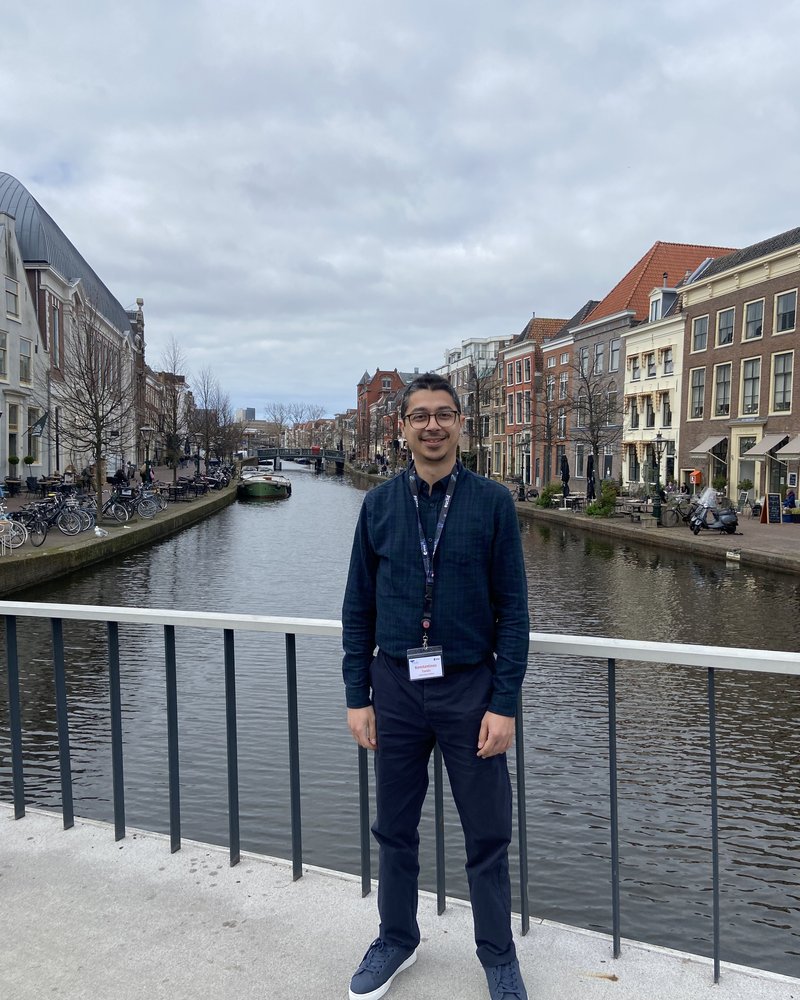
“When I was young I'd go at night to the village of my grandparents with some books and binoculars, trying to see constellations and imagining what's happening up there.”
Meet the Team
Portraits of, and short conversations with, just some of the thousands of people across the world who make the Euclid mission possible.
Humans of Euclid is a photoblog and series of interviews that explores the different perspectives and experiences of people involved in an international mission. Whether it's engineering, business, web development, creative writing, accountancy, art, scientific research, data analysis, computing or education, missions like Euclid offer a wider range of career opportunities than you may realise. Euclid's beautiful images and groundbreaking scientific results of the cosmos are only possible because these humans work together, collaborating beyond borders.
“When I was young I'd go at night to the village of my grandparents with some books and binoculars, trying to see constellations and imagining what's happening up there.”
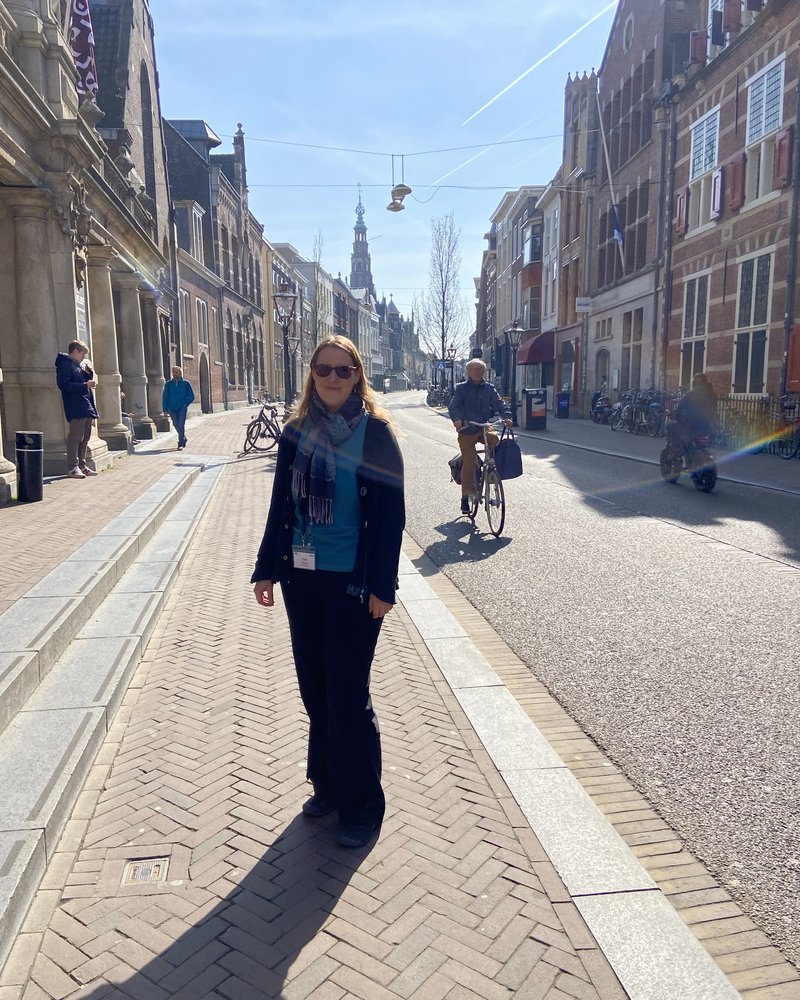
“I never wanted to be an astronomer — when I was 14 I wanted to be a TV host. It shows you how important it is what we say to other people. Teachers are important.”
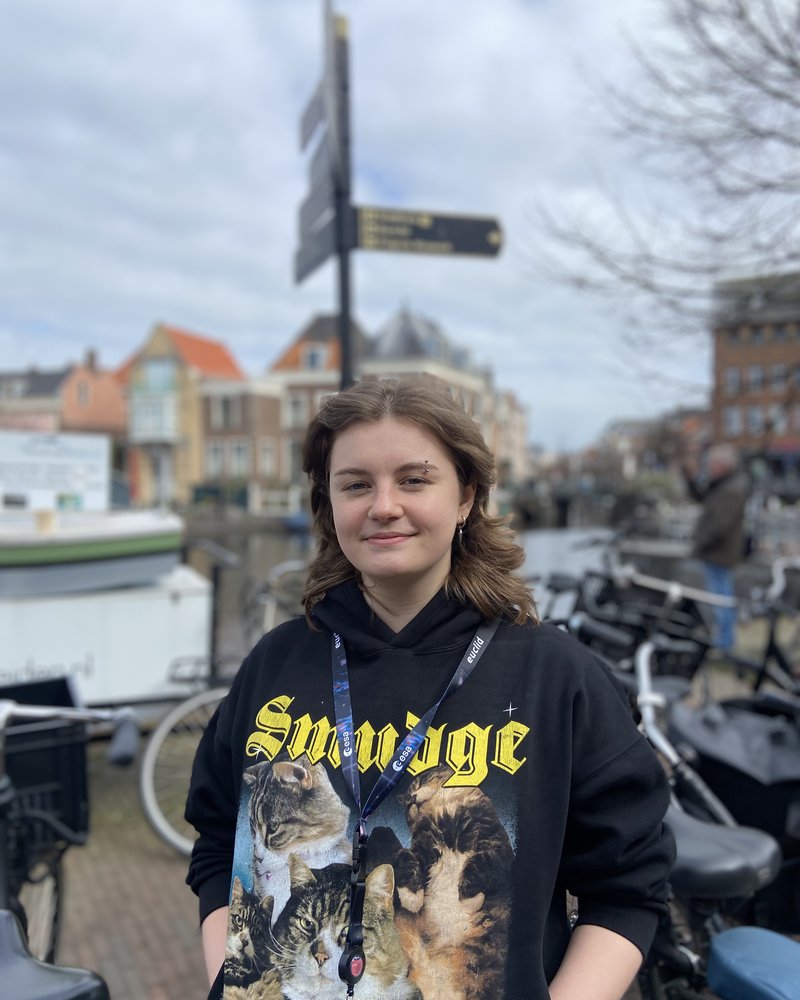
“Cosmology is the only field where one person can do all the steps — observations, theory, data analysis. It just felt bigger and more important than any other thing in science.”
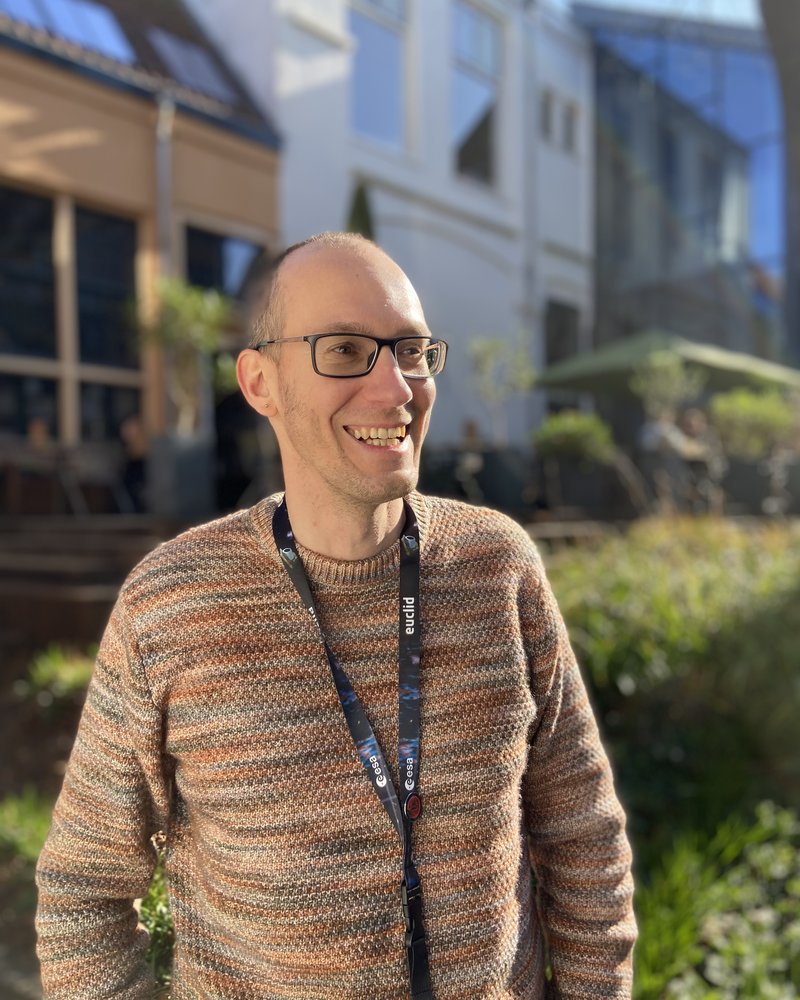
“My contract depended on the launch working. So it was nerve‑wracking, knowing that your future depends on the success of a rocket. It was like, me on that rocket.”
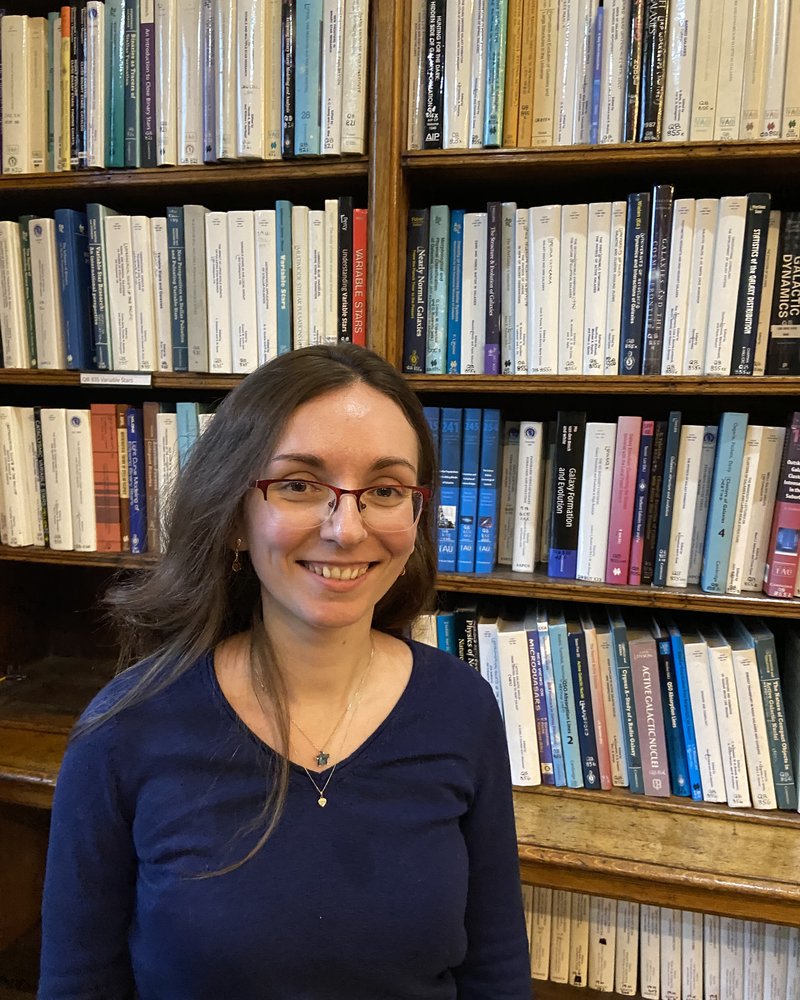
“It's a pure pleasure to dive into the VIS images. The feeling of discovery and exploration — you're seeing things which no‑one has ever seen before.”
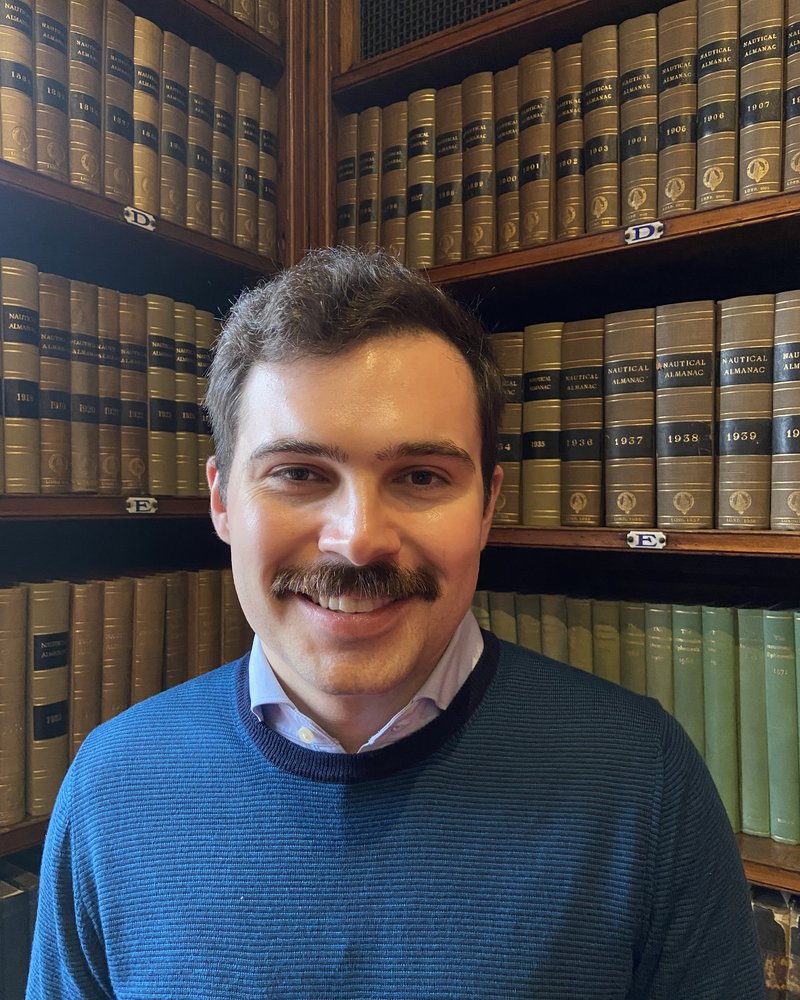
“You could do cosmology in a dark room on your own. But when you actually do it with real people — that's where it becomes really, really fun.”
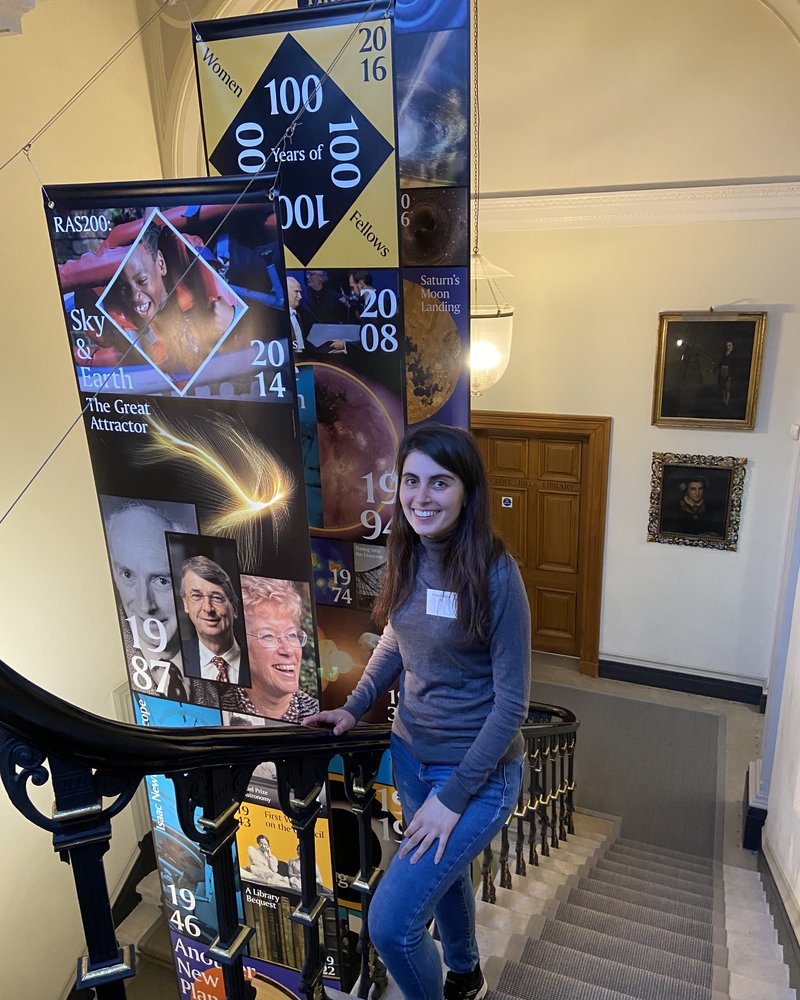
“I decided to study astro from a single Carl Sagan documentary when I was about seven. For me, it was astronomy from the beginning, not just science.”
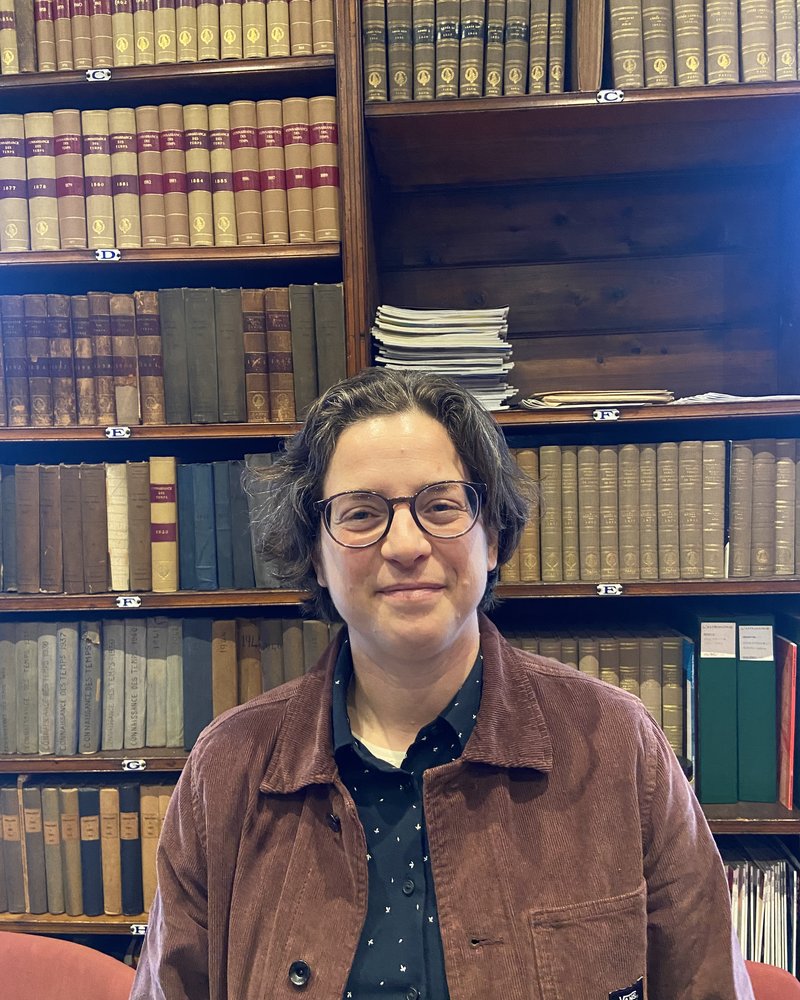
“Oh, I play football. Yeah. I play football, I read books, I go to the cinema, I go to gigs, but I play football most of the time.”
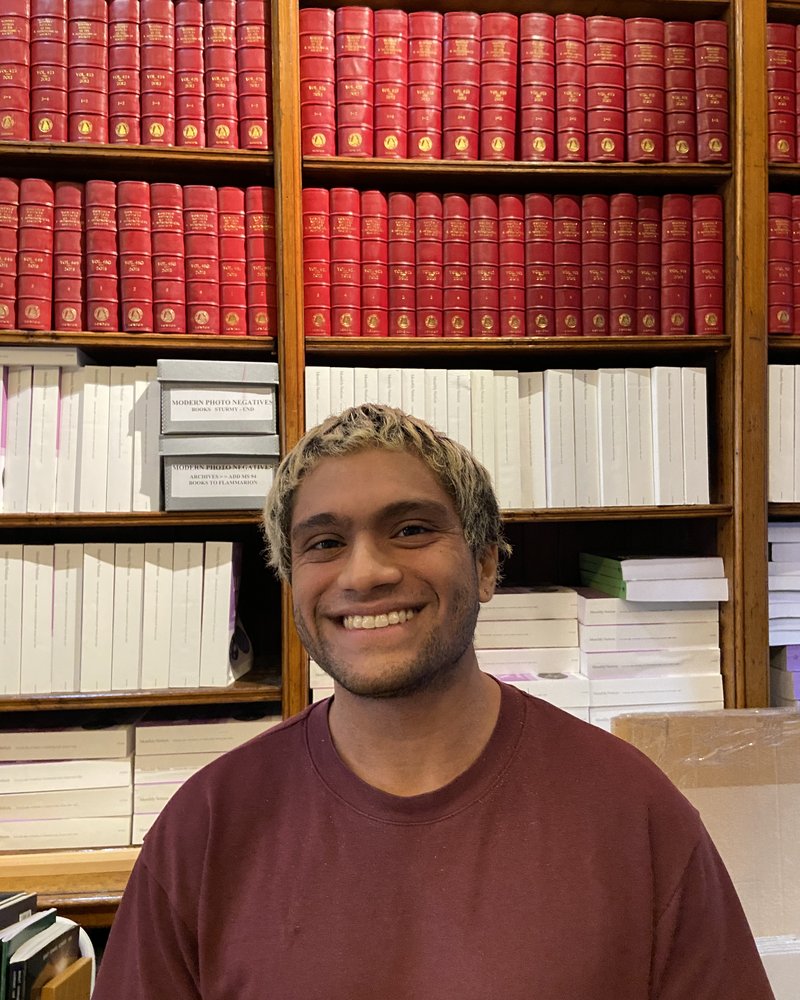
“When I go home, I get to show my mum all the cool Euclid pictures. And that feels quite special to me.”
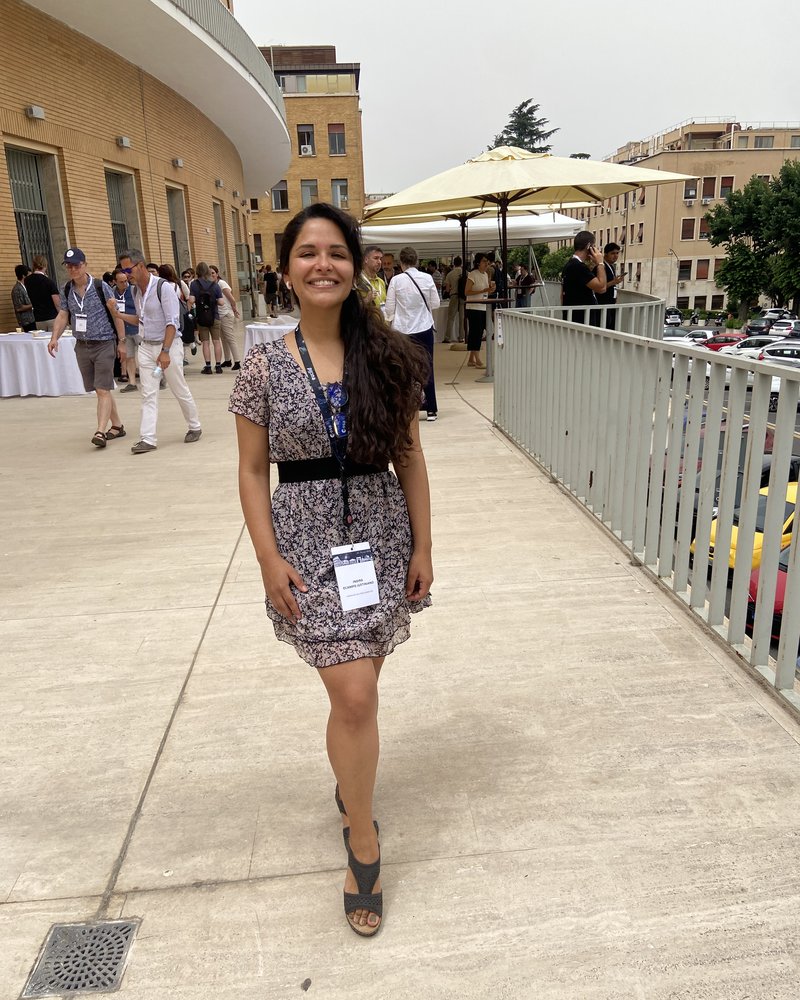
“I never thought I was going to be part of this, although I dreamt about it. If I could go back in time, I'd just say: you're going to have to work hard, but it's going to be okay.”
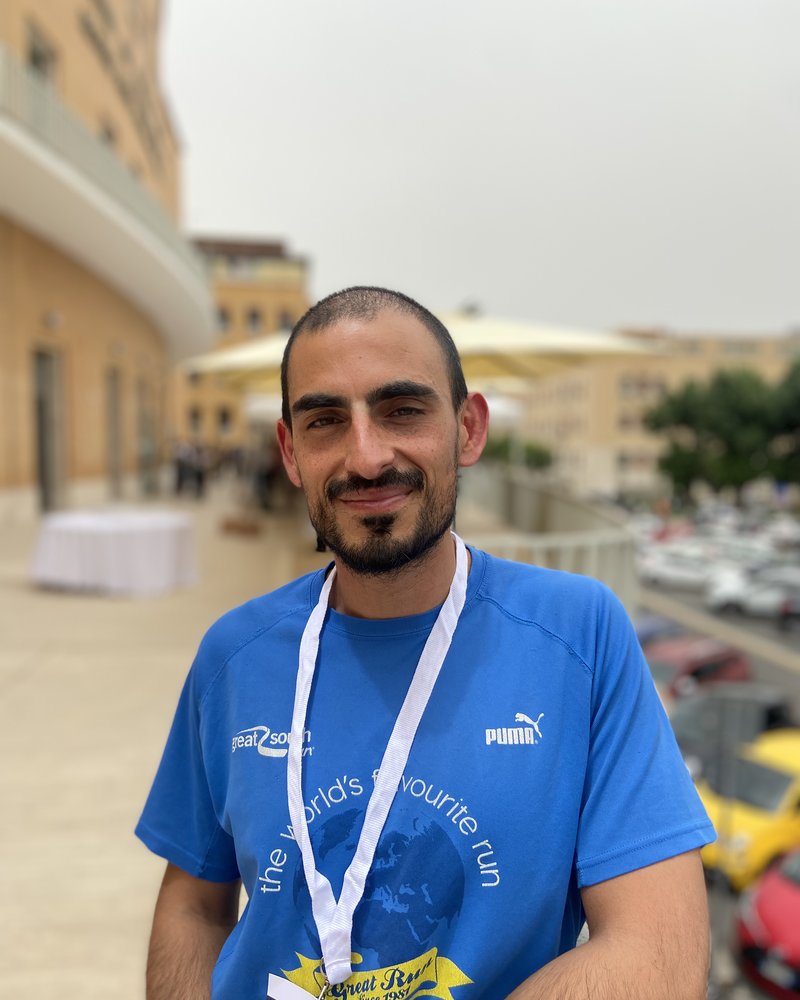
“I was walking my dog one clear night in Malta, looked up, saw all of these stars, and thought: some people do that as a living. So why not me?”
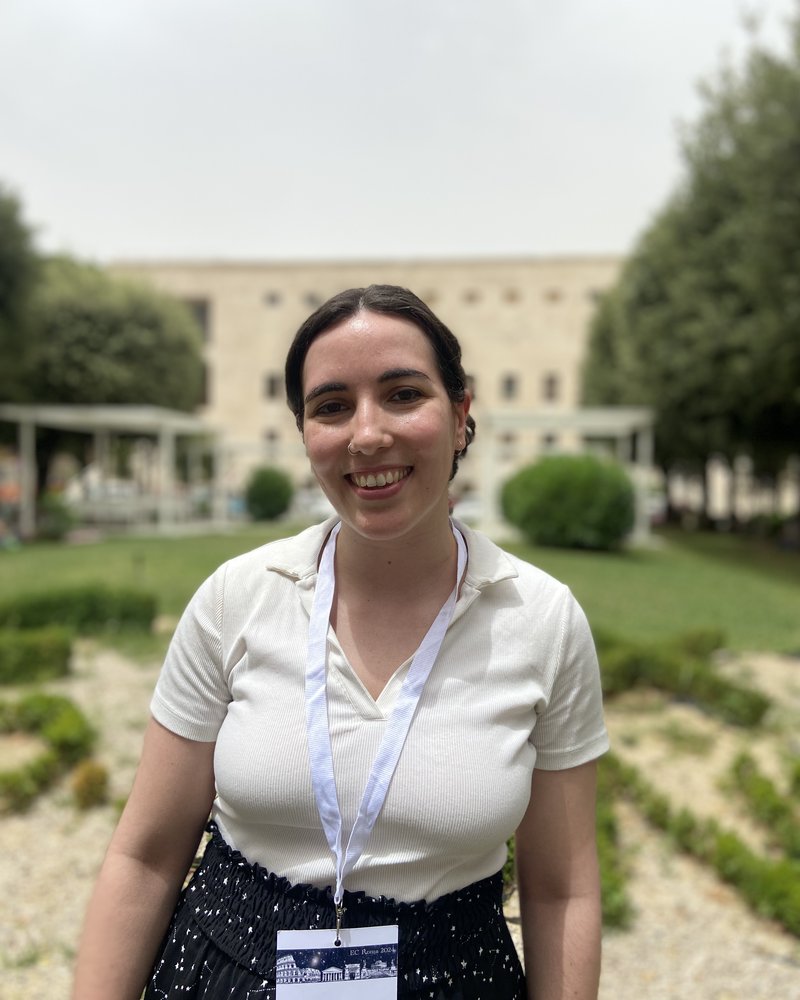
“Someone baked a cake with the Euclid spacecraft on it. I didn't manage to go to the launch — but at least I was with Euclid people.”
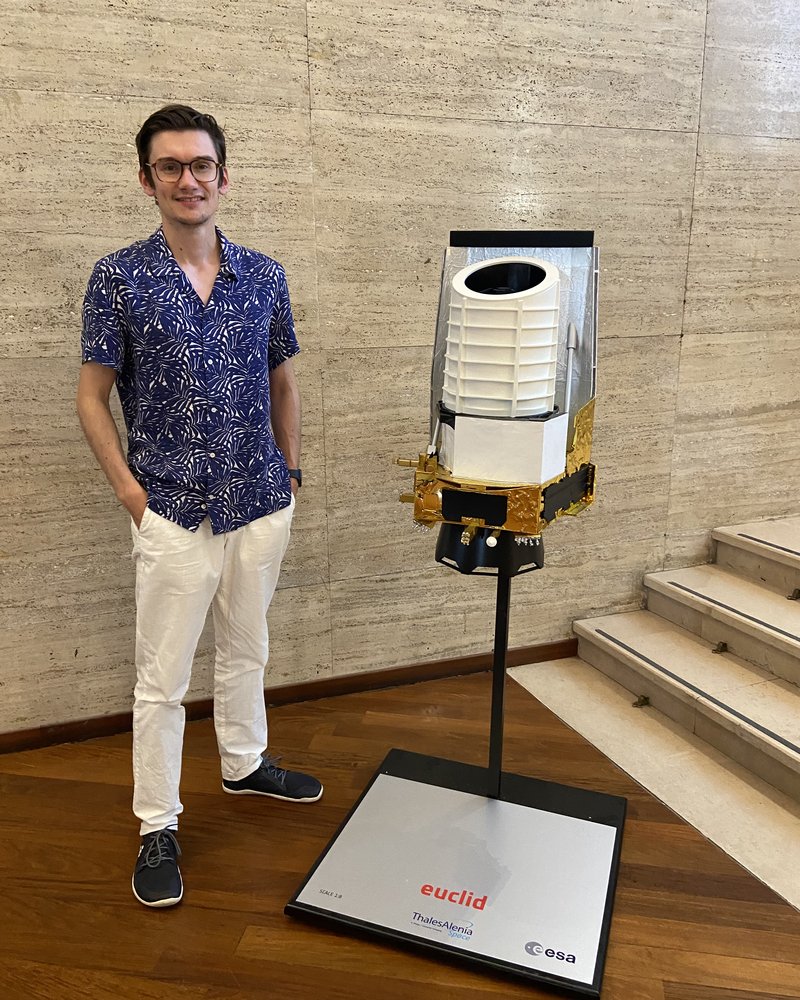
“One Christmas I was given a pair of binoculars and a guide to the night sky. That's when it went from just being pictures in a museum to me being able to look up and see the Andromeda galaxy.”
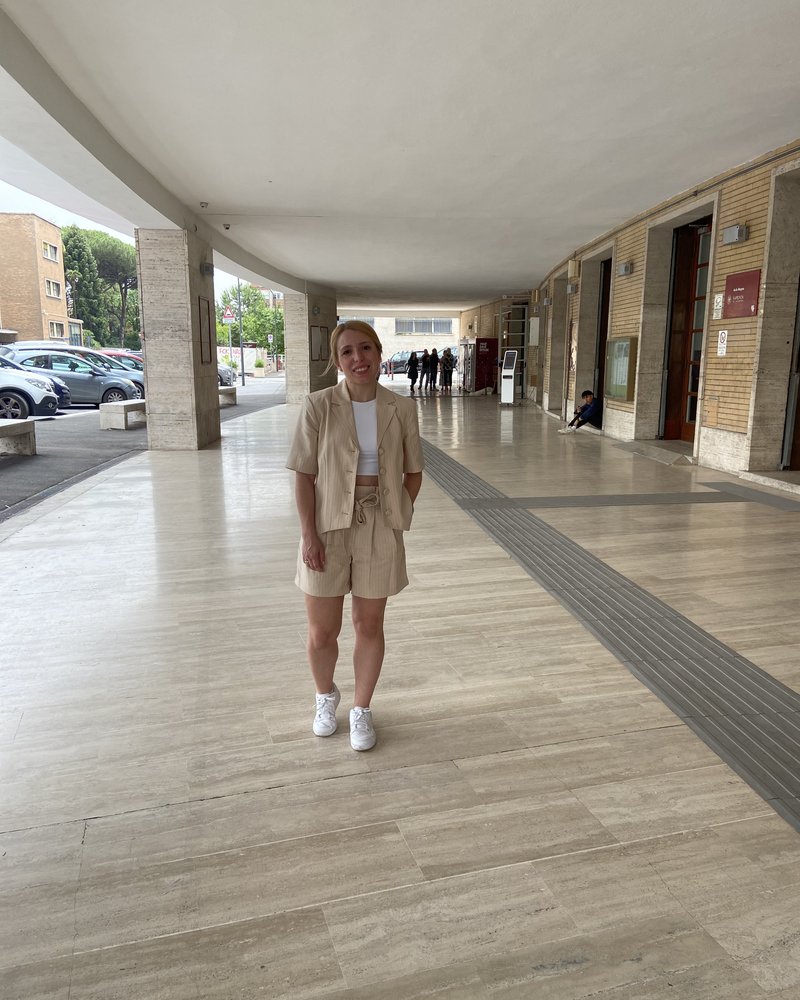
“It's the fact that we are privileged to have some budget of this chaotic world dedicated to science — and we have the opportunity to make a difference with it.”
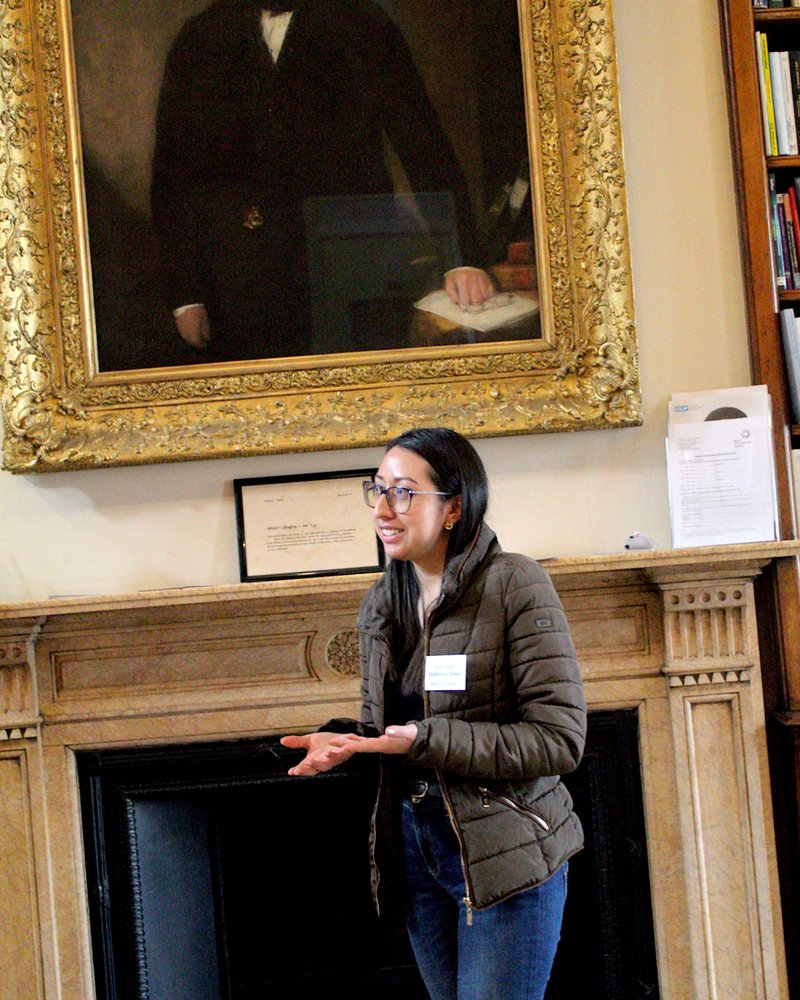
“I wanted to be a cosmologist because I was always into fantasy. When I saw pictures from cosmology — the evolution and beginning of the Universe — this seemed like a fantasy. But it was real.”
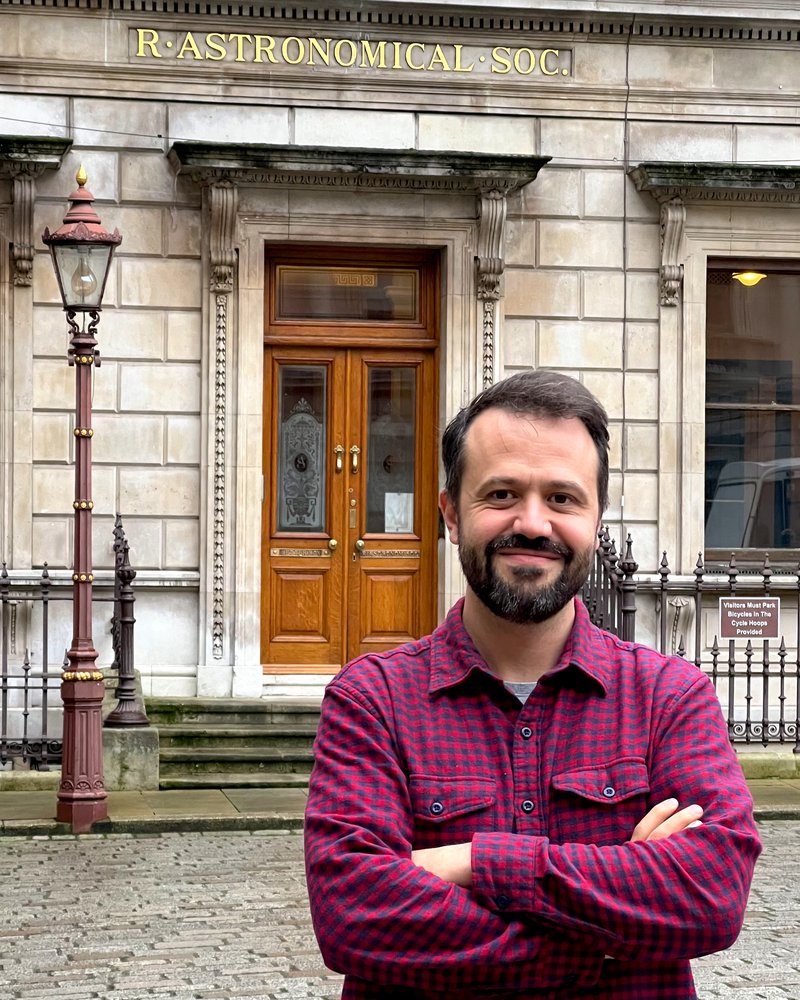
“I was at Cape Canaveral. You see the rocket lifting off, and it feels weird — you don't hear any sound at first. And then it comes all of a sudden. It was very, very emotional.”
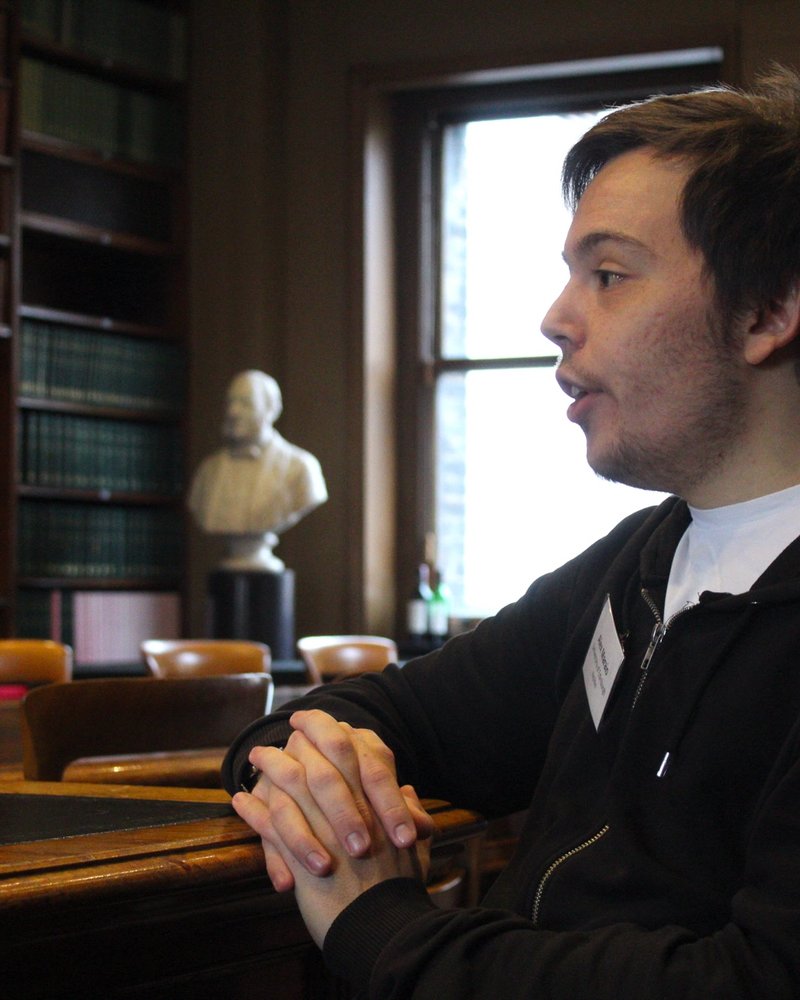
“When your billion‑euro telescope is sat on top of what is essentially a giant bomb — albeit a very well‑constrained giant bomb — you're bound to be nervous.”
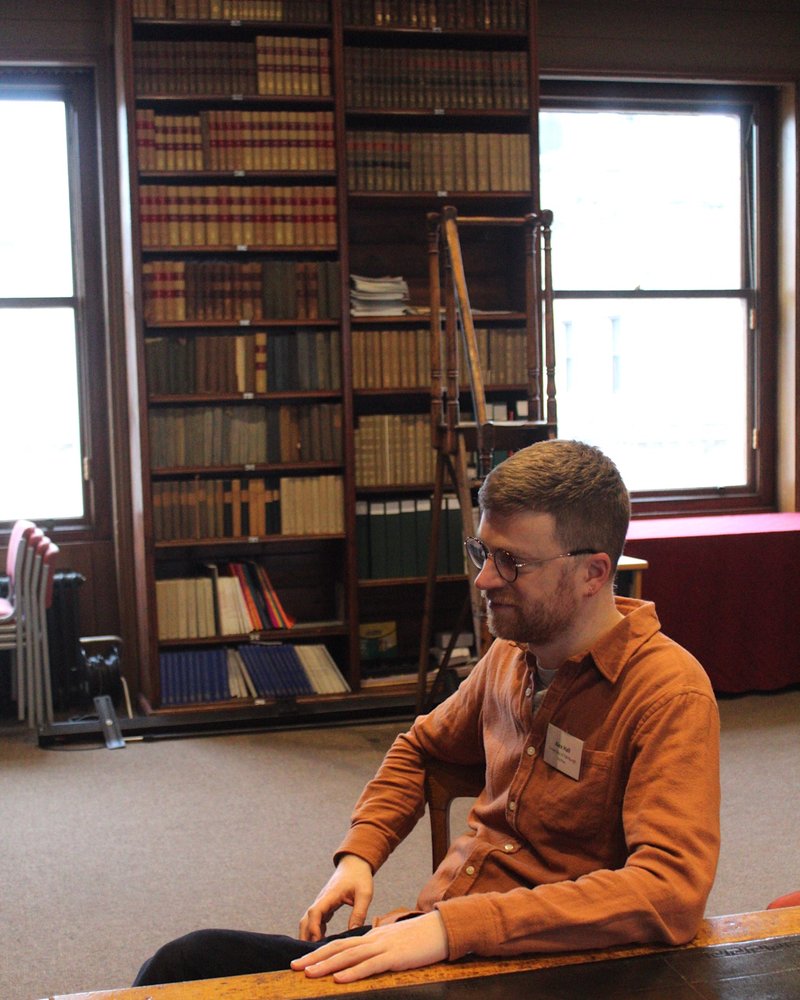
“It's the feeling that you're part of something far bigger than yourself. You feel almost like you're a part of history. It's quite a privilege to play even a small role in that.”
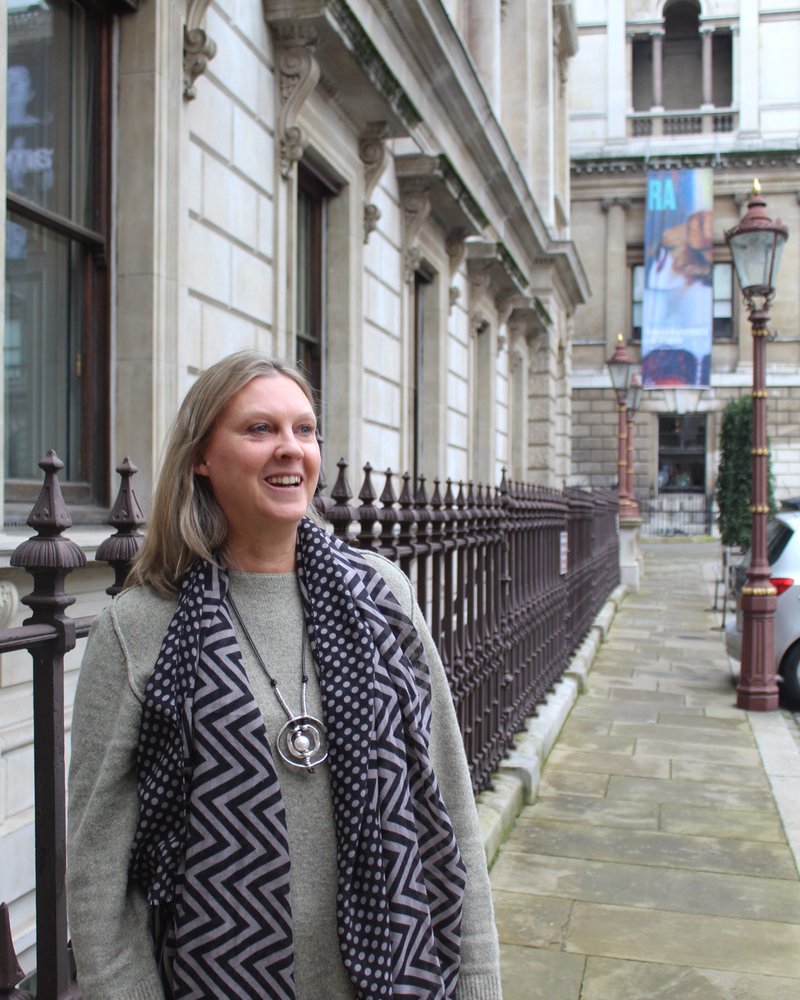
“I was on one of the supernova search teams that discovered the accelerating expansion of the Universe. So, I’m very interested in trying to understand that result, and I was originally attracted to Euclid because of that, thinking that Euclid was also going to be great for supernovae.”
Event
How do we observe the universe? Researchers use telescopes on Earth and in space to uncover some of the universe's greatest mysteries.
Join the teams behind Euclid, the dark universe detective, and Revealing the cosmos with the Simons Observatory as they discuss how they explore the history and composition of the universe.
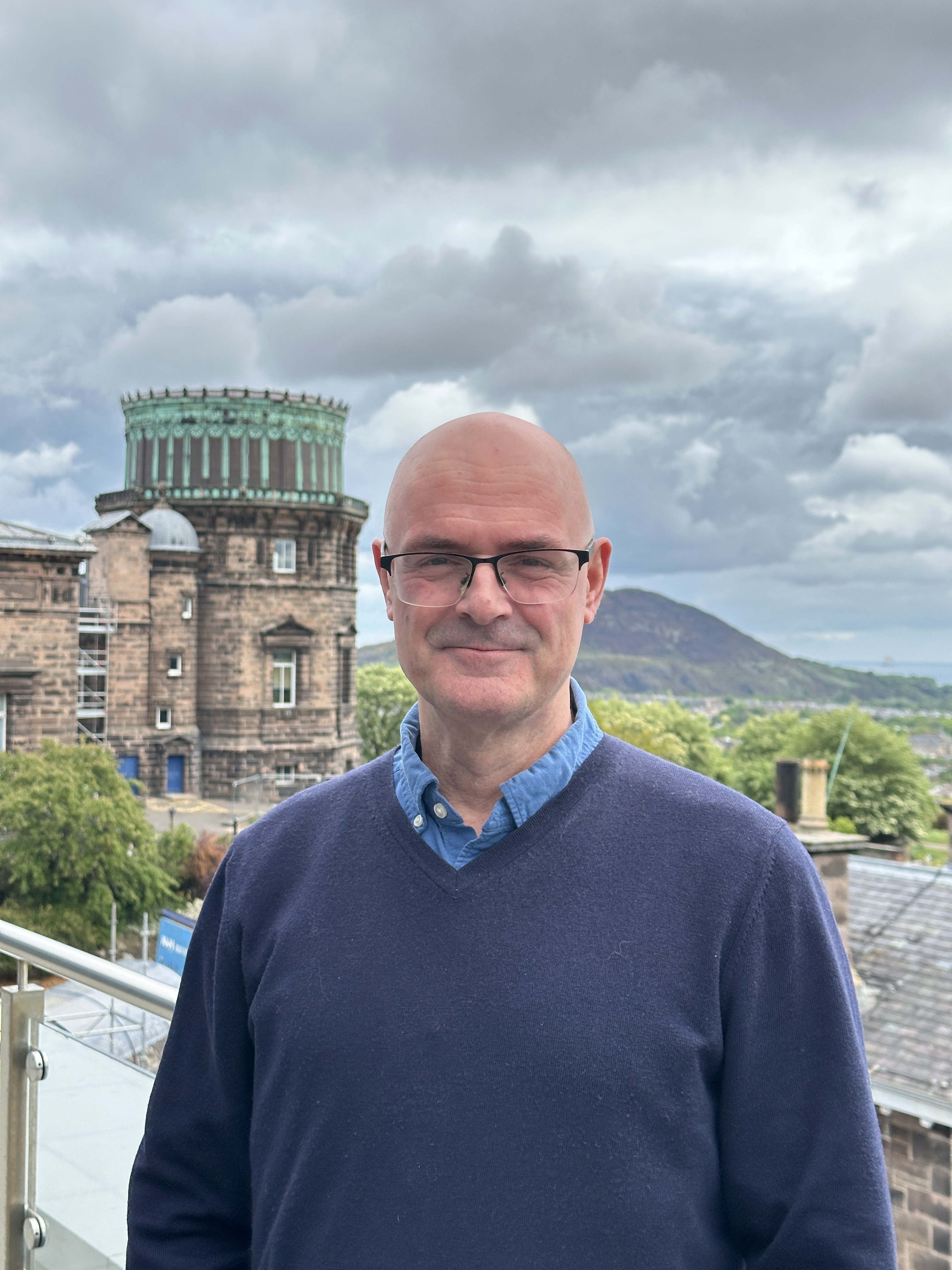
Meet Andy Taylor, Professor of Astrophysics at the University of Edinburgh who leads the Weak Lensing Cosmic Shear Team for ESA’s Euclid mission.
 View the Royal Society event page
Team members also at the Royal Society Summer Science Exhibition
Alexander Gordon Benjamin Joachimi Brynne Klein Daniel Roberts Das Baskill Emma Nephtali Emma Renouprez Jack Turner James Fawcett Jascha Schewtschenko Jess Howell Linus Thummel Lisa Goh Marco Lam Maria Tsedrik Mia Mouget Naomi Robertson Natalie Lines Rachel Binnie Rory Claydon Saeeda Awan Sam Philipsborn Stephen Wilkins Susan Pyne Will Roper