
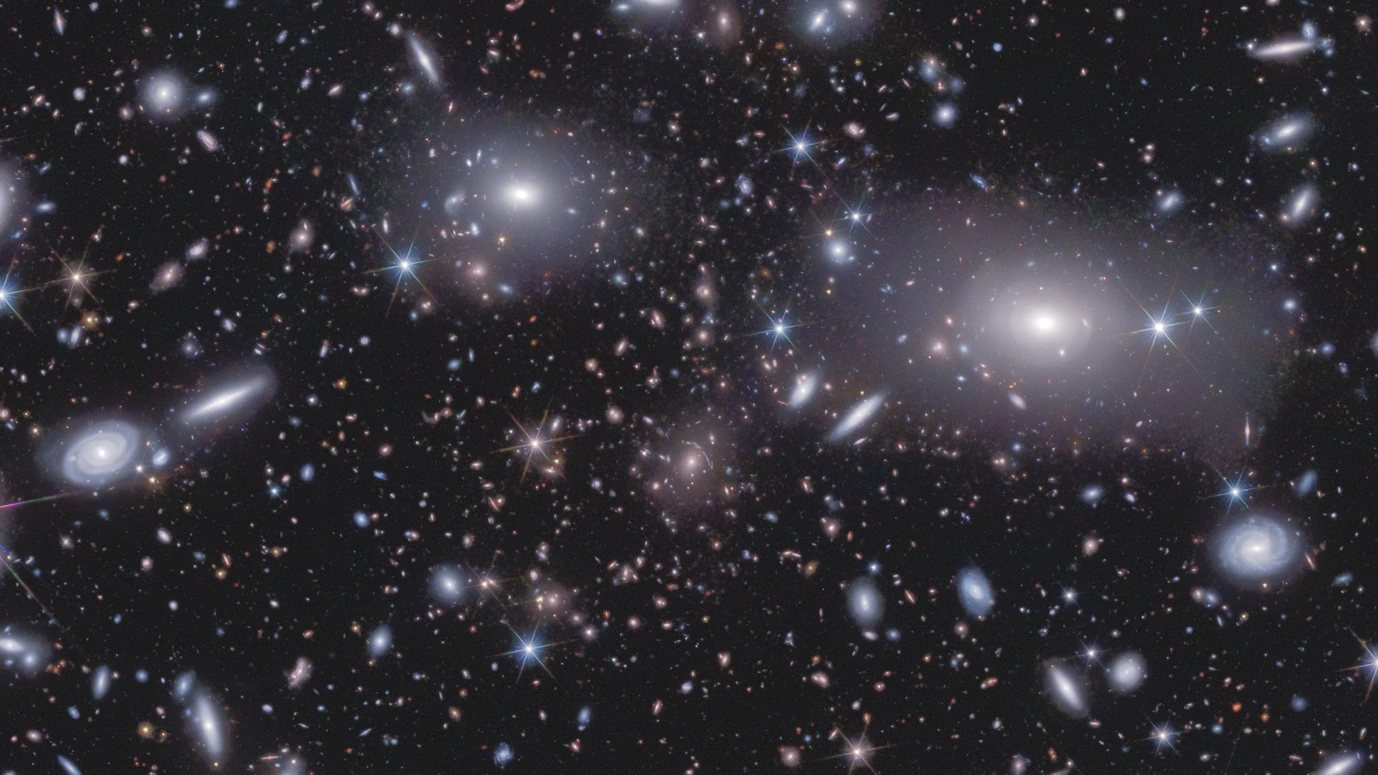
DR1-Foundation ·
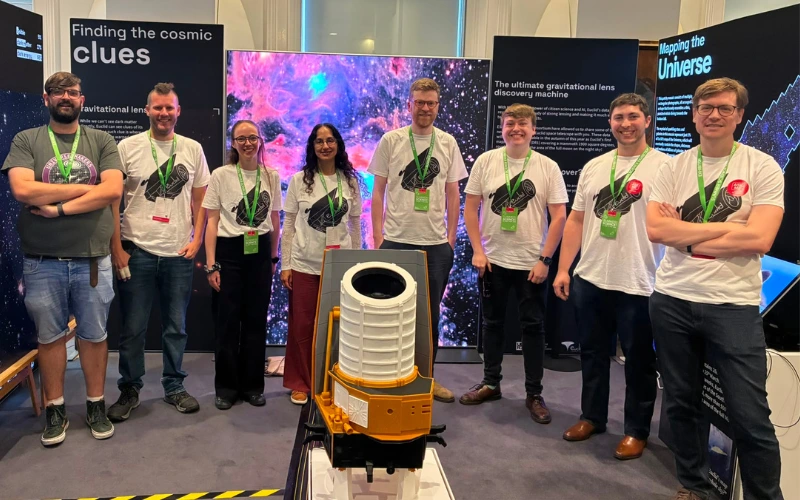
We are the UK based team working on the European Space Agency's Euclid space telescope, on a mission to map the dark Universe!
Euclid is designed to explore the composition and evolution of the dark Universe. The space telescope is creating a great map of the large-scale structure of the Universe across space and time by observing billions of galaxies out to 10 billion light-years, across more than a third of the sky. Euclid is exploring how the Universe has expanded and how structure has formed over cosmic history, revealing more about the role of gravity and the nature of dark energy and dark matter.
The UK has played a central role in the conception and development of Euclid. The UK Space Agency has invested £54 million in the mission, supporting world-class UK science and funding research teams in 7 different institutions across the UK to contribute to the Euclid mission.
The production and operation of Euclid’s imager for visible light, VIS, is led by University College London’s Mullard Space Science Laboratory, and researchers across the country have developed data processing pipelines to analyse the data, including the gravitational lensing analysis that will create maps of dark matter from VIS images.
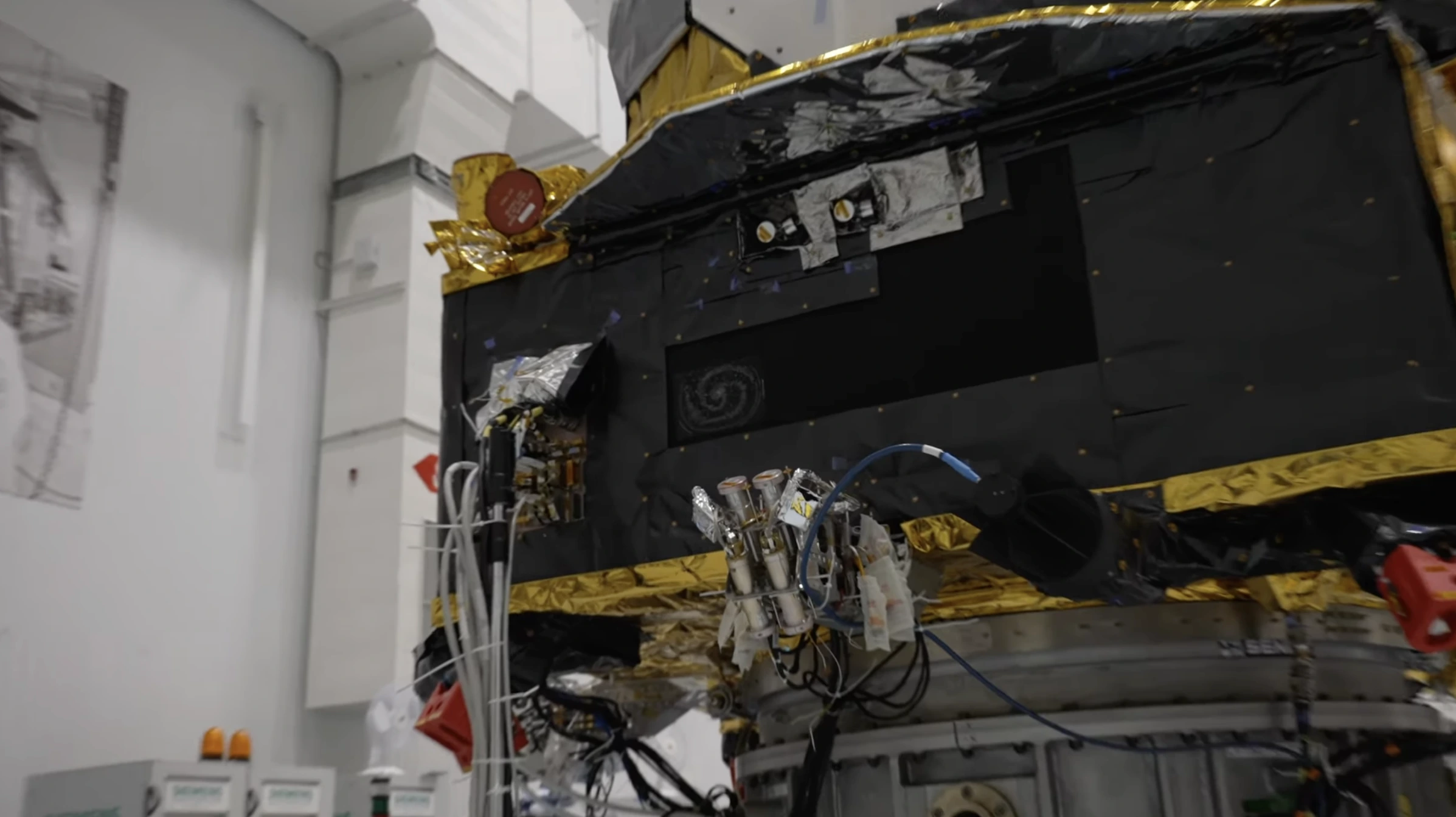
Over 2,000 people across over 18 countries are involved in ESA's Euclid space telescope. Meet the humans behind the mission to uncover the mysteries of the dark Universe and discover the varied careers involved.
Meet the people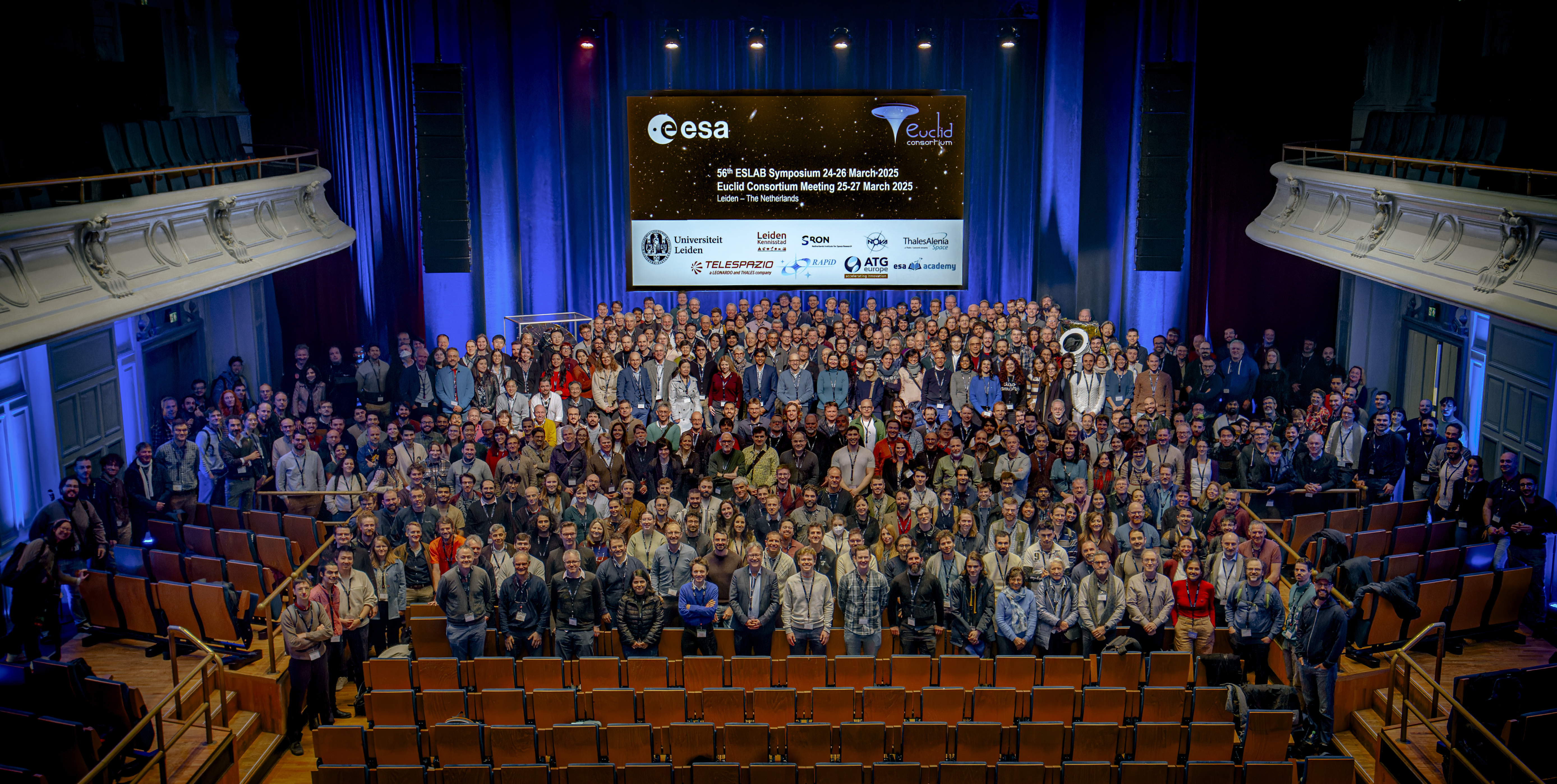
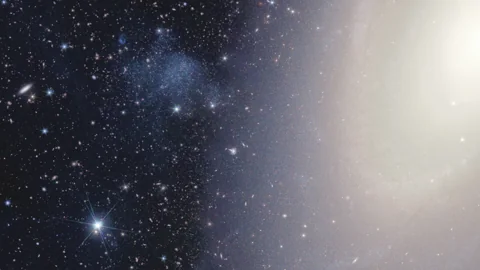
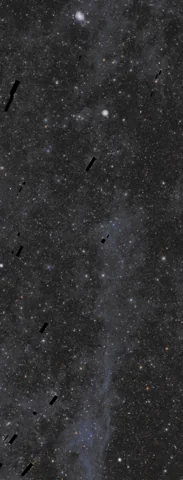
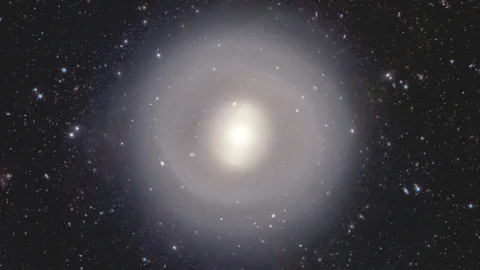
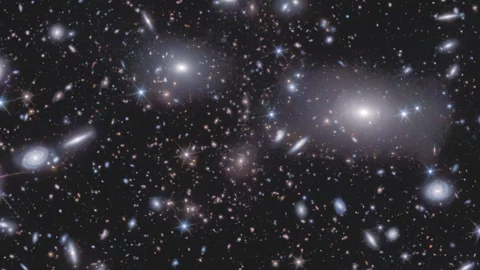
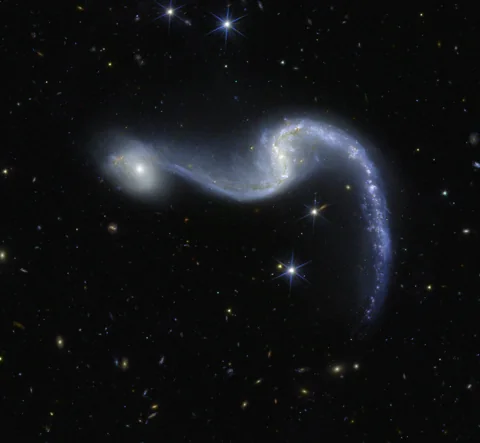
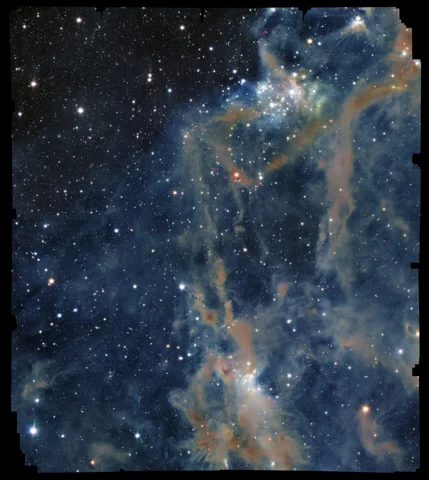
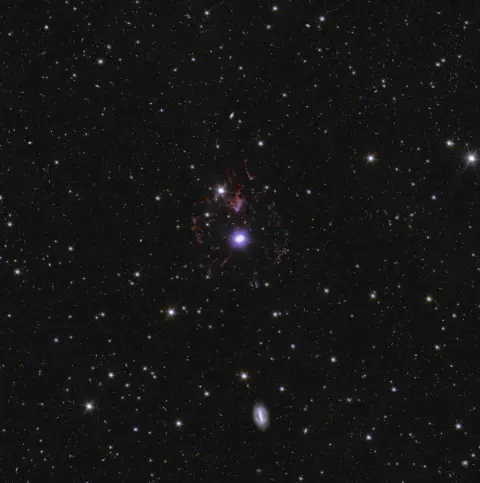
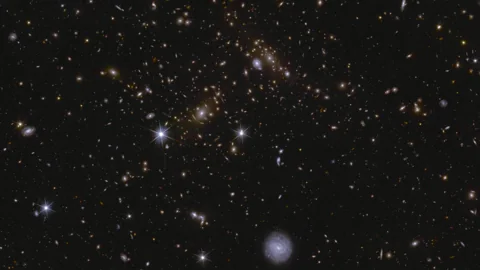
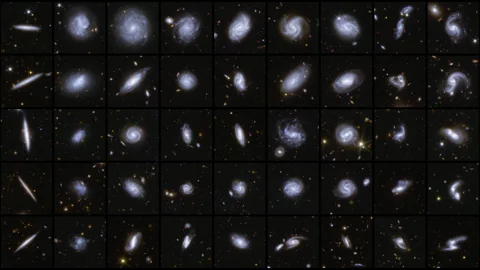
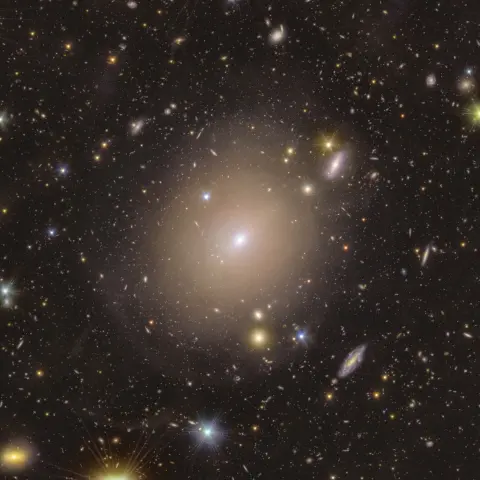
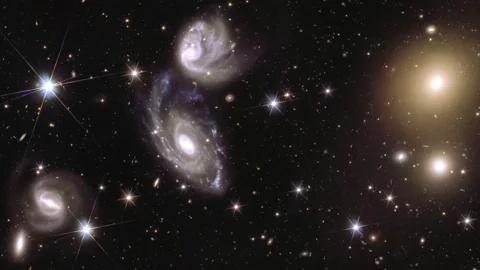
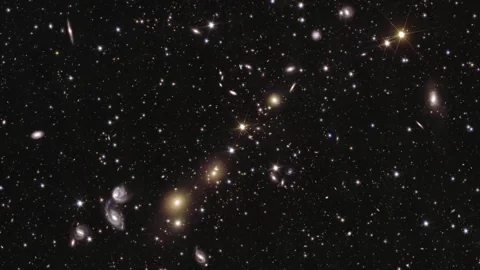
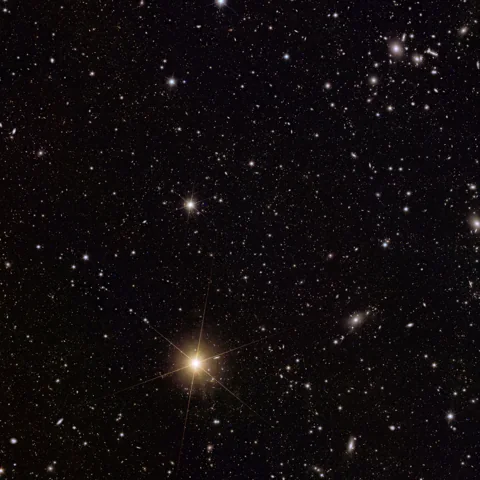
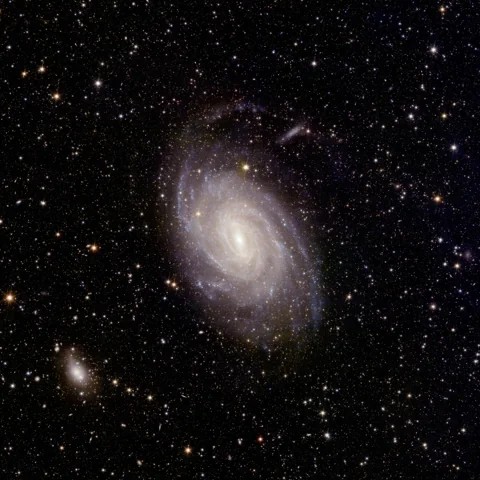
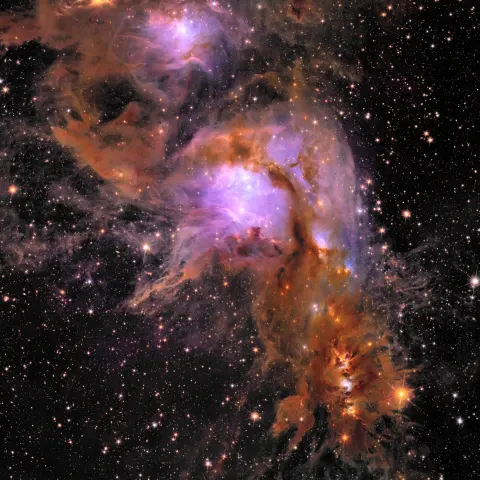
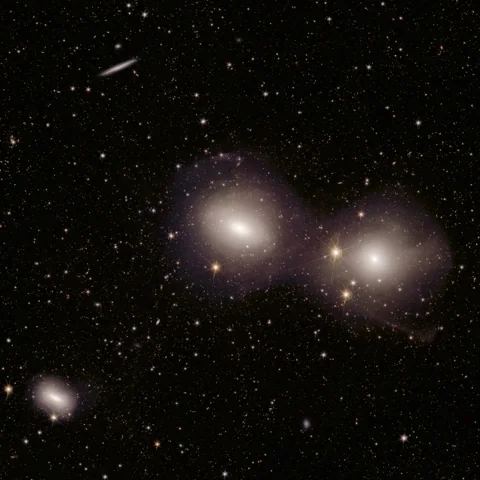
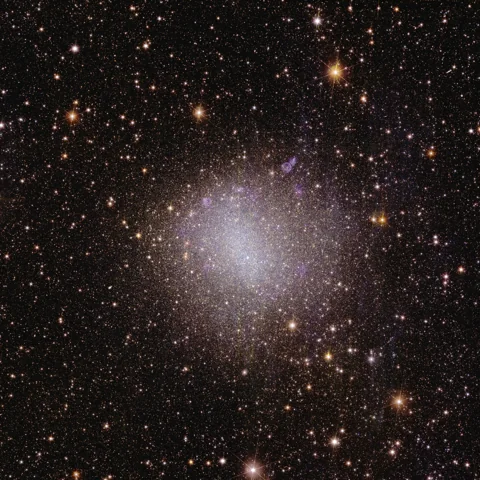
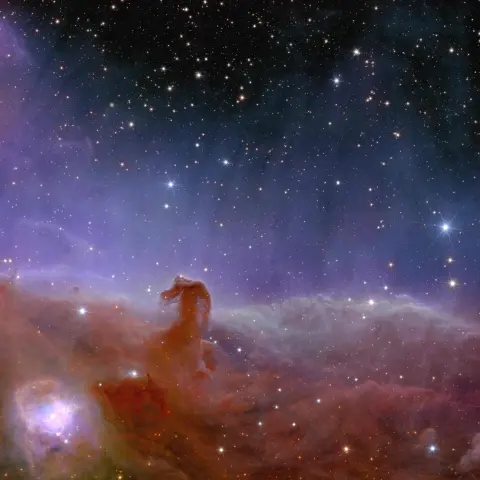
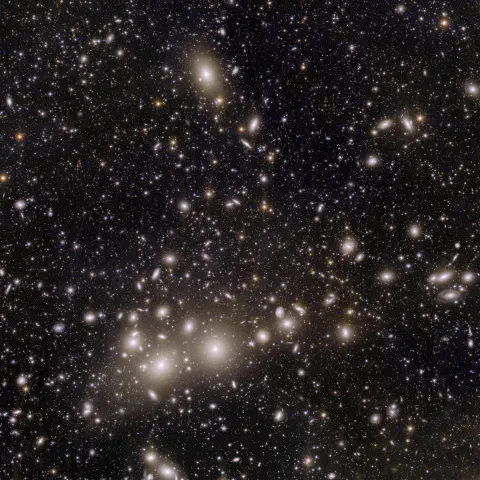
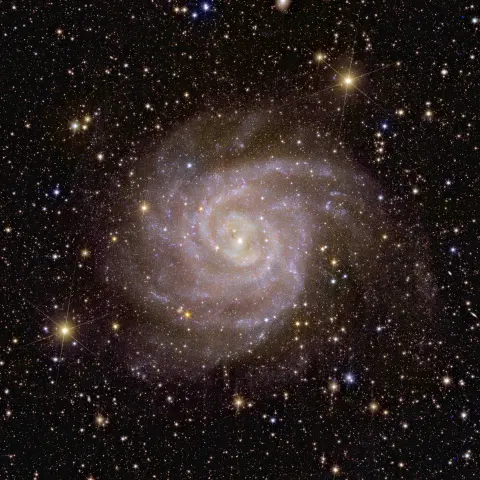
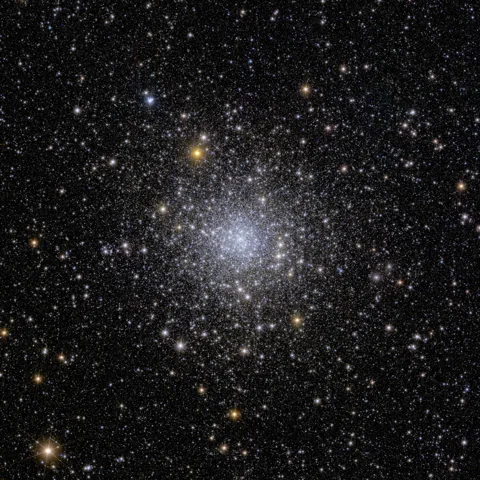
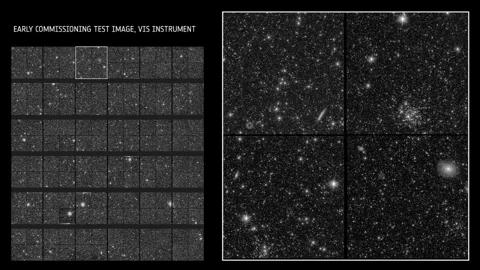
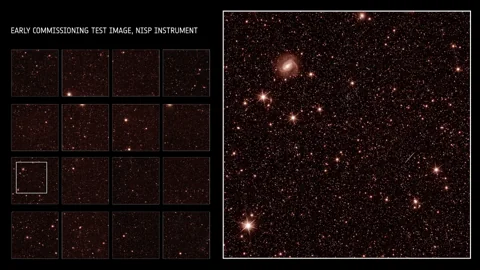
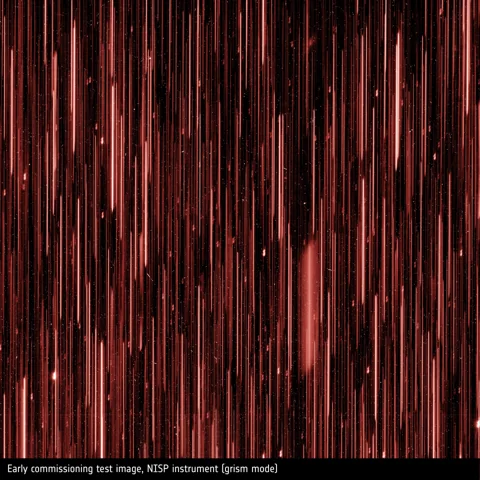
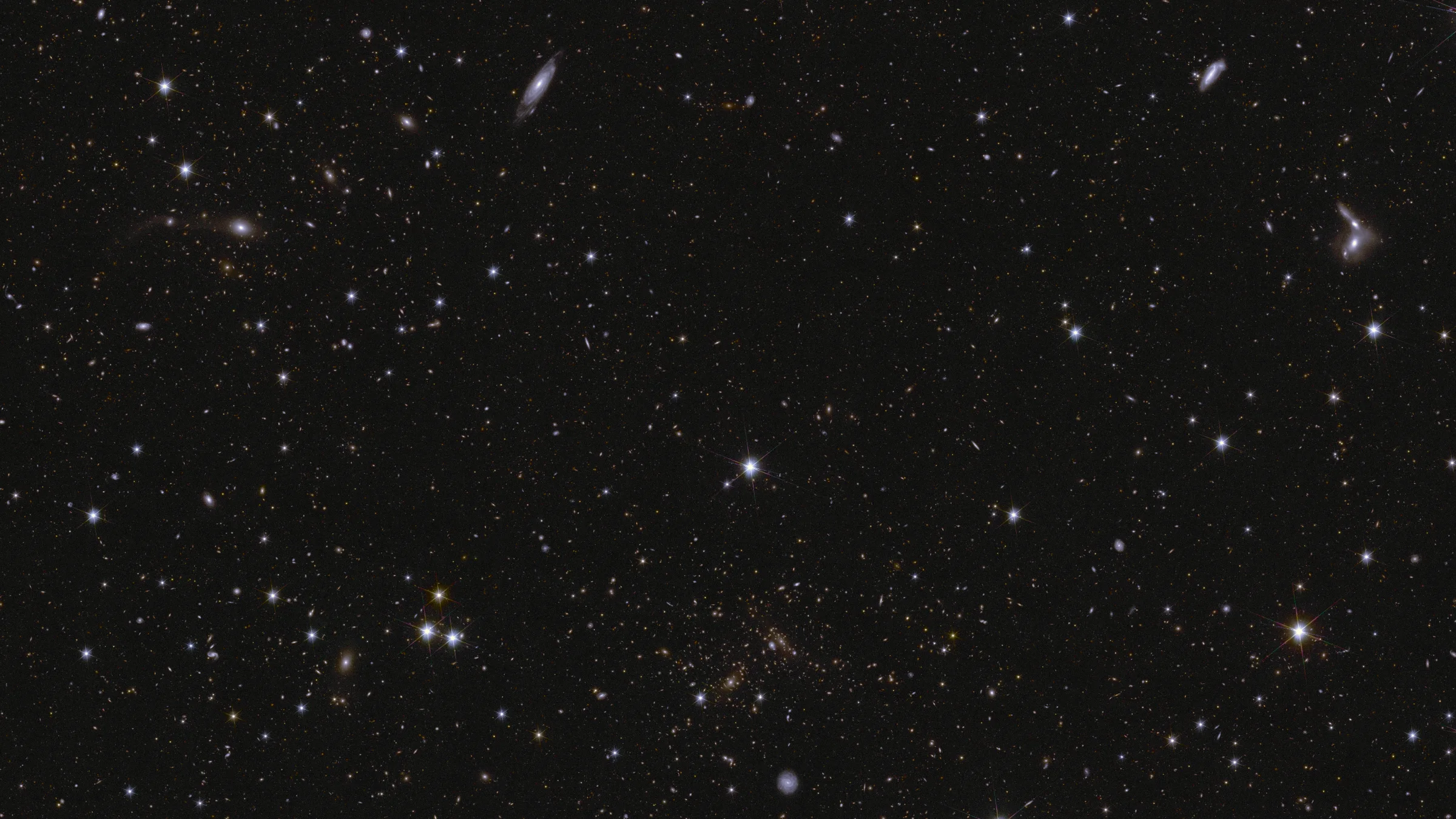
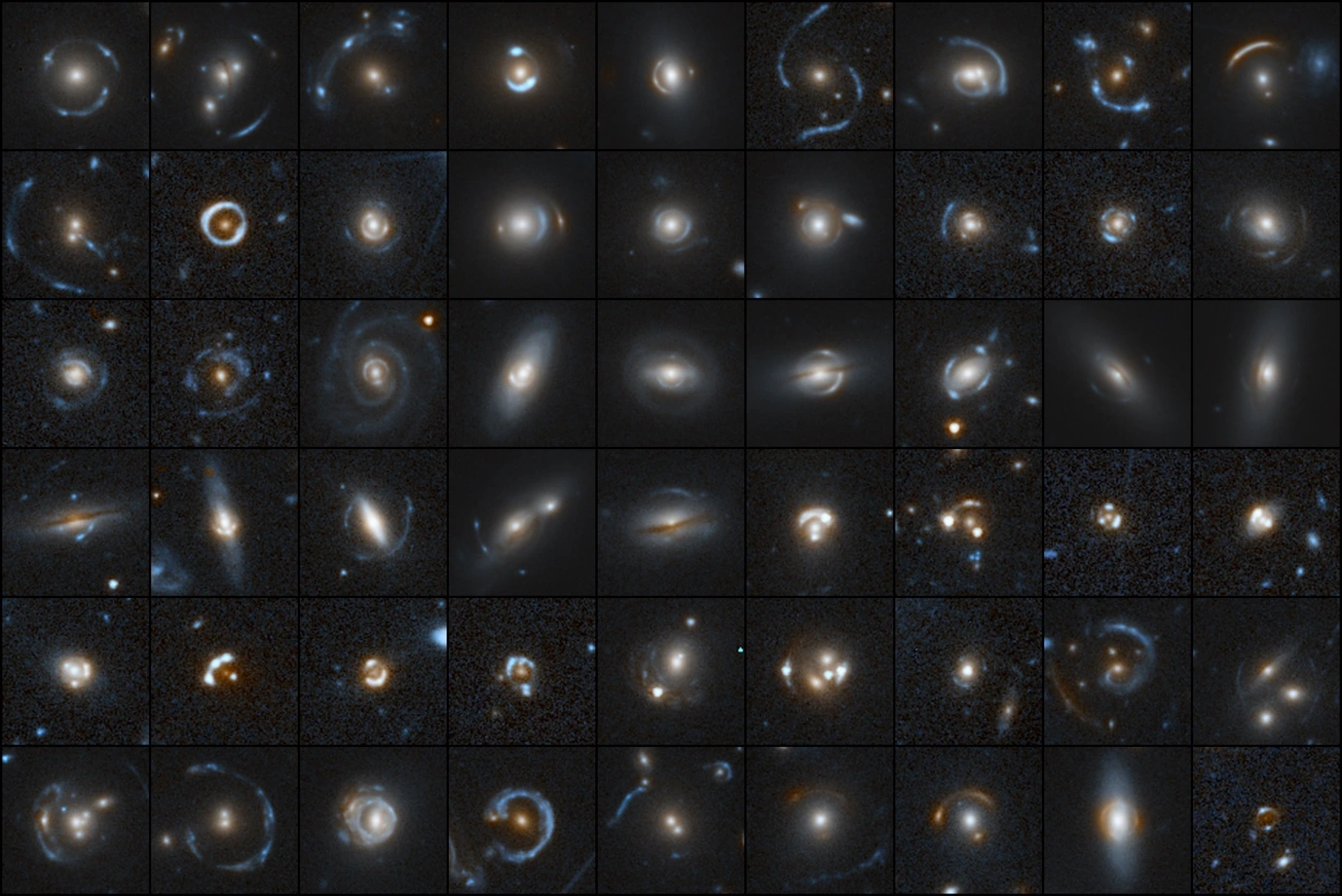
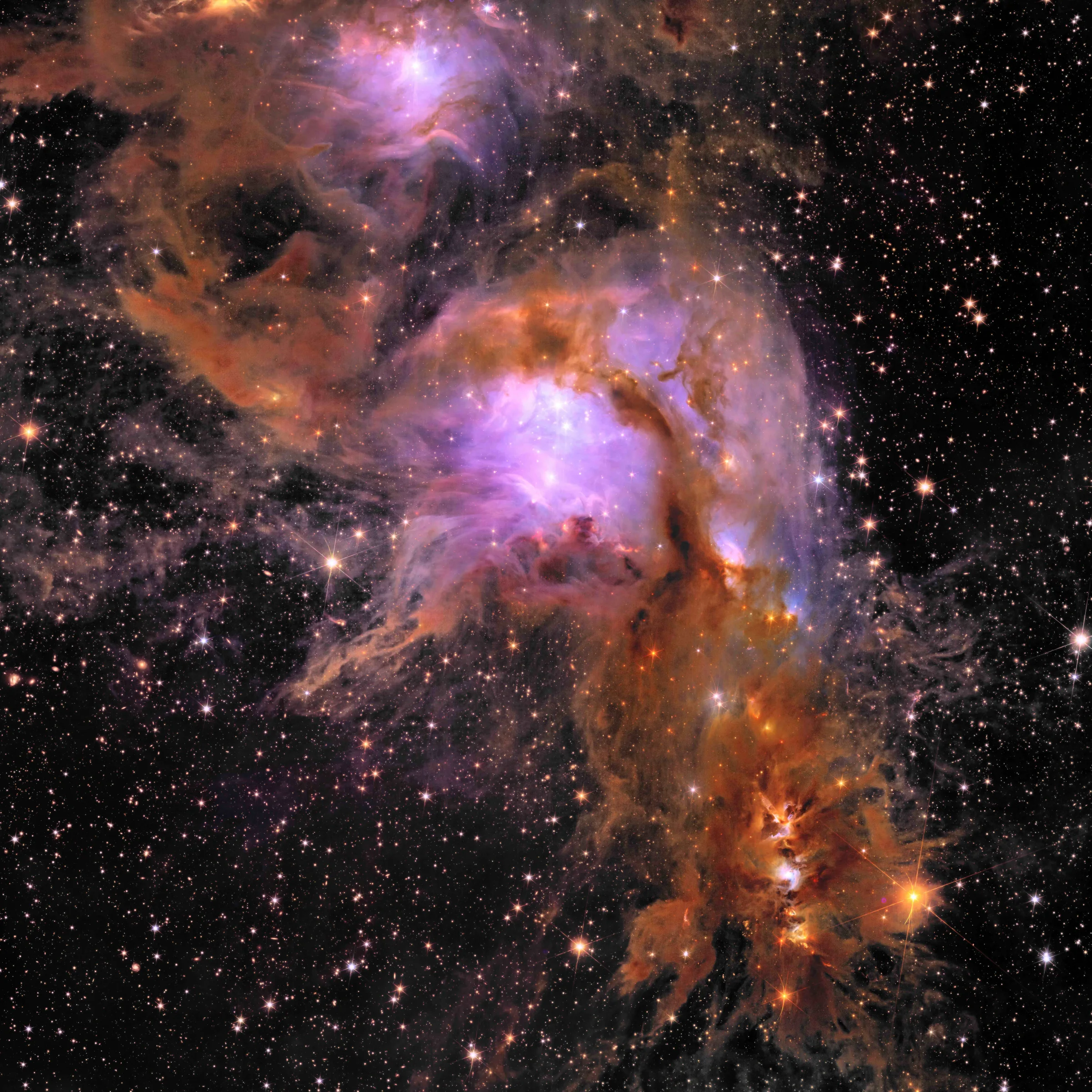
Explore a gallery of our favourite images from the Euclid mission so far.